
Local News
Lagos Moves to Ease Traffic During Lekki–Epe Expressway Upgrade
Hon. Comm. for transportation – Oluwaseun Osiyemi

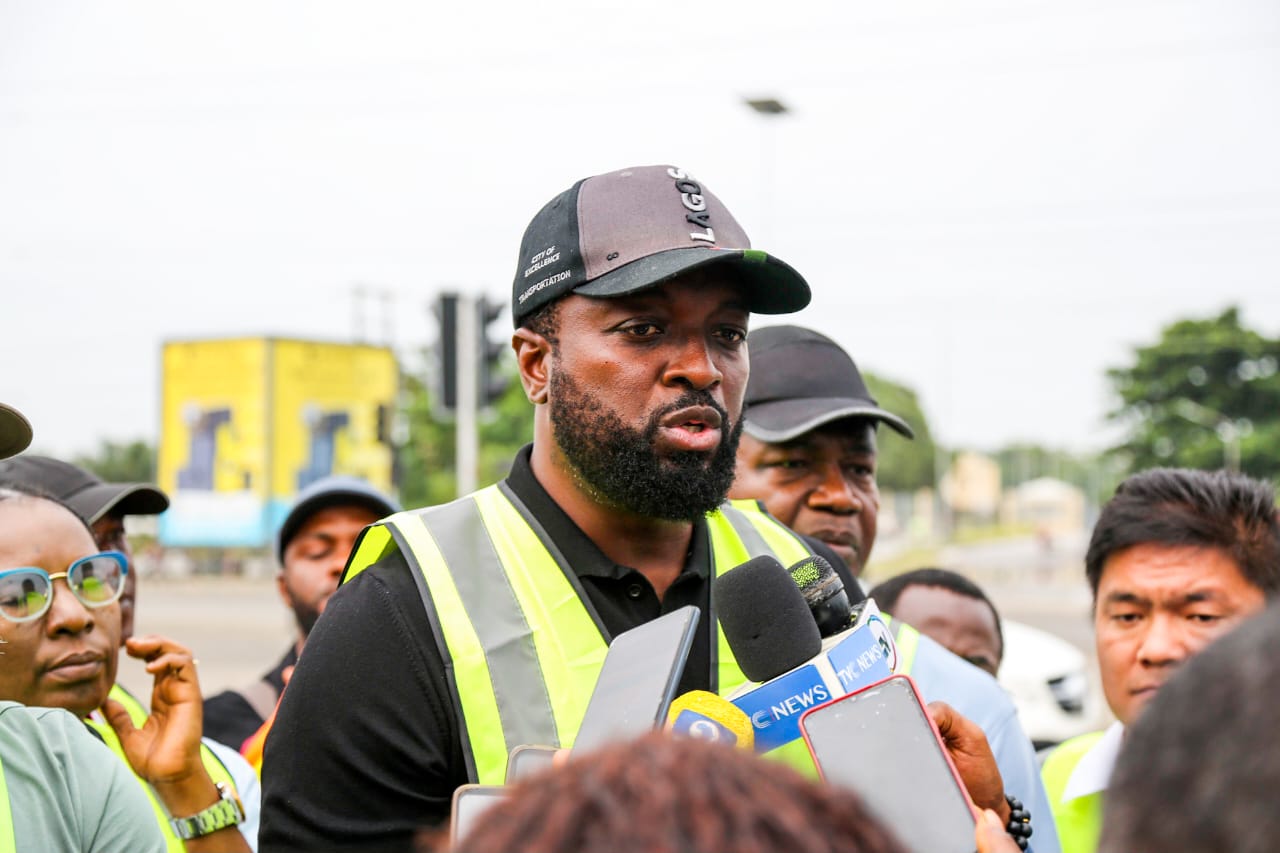
The Lagos State Government has moved to ease concerns of residents and motorists along the Lekki–Epe axis, assuring that the ongoing 20-kilometre rehabilitation of the Lekki–Epe Expressway will be completed on schedule, with extensive measures in place to manage traffic and minimise disruptions.
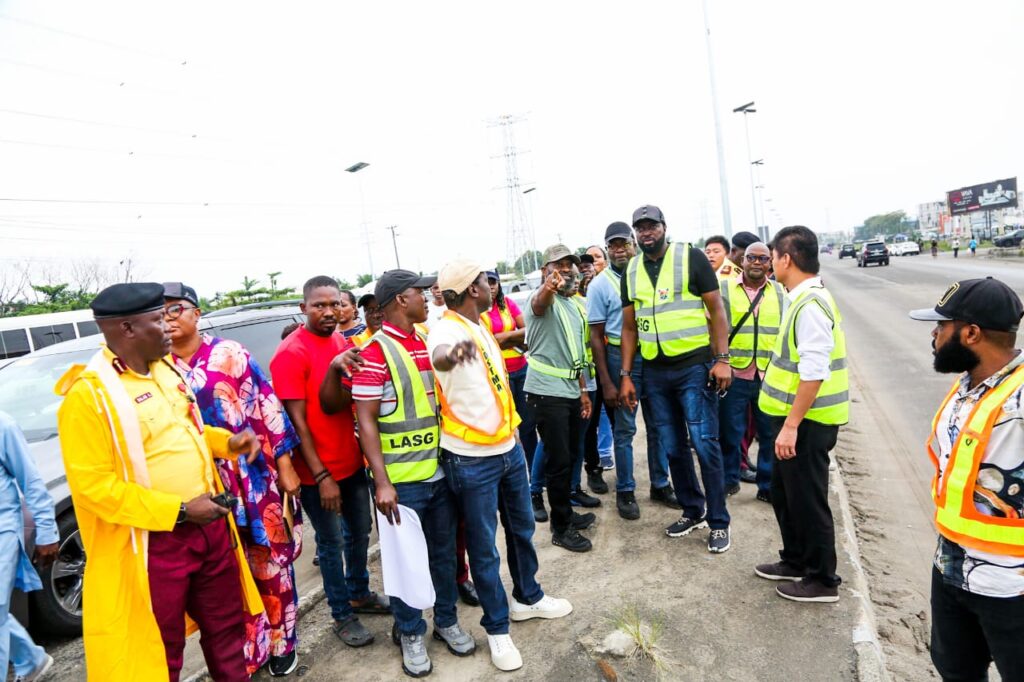
Top government officials gave the assurance during an inspection of the project corridor on Tuesday, covering the stretch from Admiralty Way to Eleko Junction.
The inspection was led by the Commissioner for Transportation, Mr. Oluwaseun Osiyemi, alongside the Special Adviser to the Governor on Infrastructure, Engr. Olufemi Daramola, and the Special Adviser on Transportation, Hon. Sola Giwa.
Engr. Daramola explained that the rehabilitation, approved by Governor Babajide Sanwo-Olu, will see both carriageways of the expressway upgraded using asphaltic pavement to improve road durability and driving comfort.
He noted that although construction was earlier paused during the festive season, full work will now resume after a fresh assessment confirmed the contractor’s readiness.
To reduce traffic disruptions, the project has been divided into eight sections, with construction carried out on one carriageway at a time. Each direction is expected to take about two months, while critical sections will witness round-the-clock work to fast-track delivery.
Speaking on traffic control, Mr. Osiyemi said the state had developed a detailed traffic management plan informed by past construction experiences on the corridor.
He said motorists should expect sectional road closures, contraflow operations, and flexible lane sharing, with traffic flow adjusted to favour peak directions during morning and evening rush hours.
According to him, a heavy presence of traffic officers, supported by road signage, lighting, and real-time monitoring, will be maintained to ensure safety and reduce congestion.
He urged motorists to remain patient and comply with traffic instructions to ensure smooth movement throughout the rehabilitation period.
Mr. Osiyemi also revealed that alternative routes, including the Coastal Road, have been carefully assessed. Additional traffic officials and security operatives will be stationed along these routes to maintain order and protect commuters.
He assured that the government has taken steps to curb extortion and other illegal activities along diversion routes, while security agencies will provide protection for both road users and construction workers.
Hon. Sola Giwa emphasised that the safety of commuters remains a top priority, adding that emergency response vehicles, security personnel, and traffic management teams will be strategically positioned to promptly handle breakdowns, accidents, or other incidents.
In a related advisory, the state government announced that rehabilitation works on Sections 2 and 3 of the expressway will begin on Sunday, January 25, 2026, and are expected to last for about 64 days.
The construction will proceed intersection by intersection, starting from the Chevron–Igbo Efon axis, under an eight-phase schedule projected to run until early April 2026.
Motorists heading towards Lagos have been advised to use alternative routes, including connections to the Coastal Road through Ogombo–Abraham Adesanya and Eleganza–Orchid–Lafiaji corridors, to avoid delays.
Reaffirming its commitment to long-term infrastructure development, the Lagos State Government said the phased rehabilitation is aimed at delivering a safer, stronger, and more reliable expressway for millions of commuters who rely on the Lekki–Epe corridor daily.
Residents and motorists were called upon to cooperate with authorities, as the government promised to provide regular updates as construction progresses.
The Lagos State Government has reaffirmed its commitment to the timely completion of the ongoing 20-kilometre rehabilitation of the Lekki–Epe Expressway, assuring residents and motorists of a comprehensive traffic management strategy to reduce inconvenience during the construction period.
The assurance was given on Tuesday during an inspection tour of the project corridor, spanning from Admiralty Way to Eleko Junction.
The tour was led by the Commissioner for Transportation, Mr. Oluwaseun Osiyemi; the Special Adviser to the Governor on Infrastructure, Engr. Olufemi Daramola; and the Special Adviser to the Governor on Transportation, Hon. Sola Giwa, alongside members of the media.
Engr. Daramola disclosed that the rehabilitation project, awarded by Governor Babajide Sanwo-Olu, involves the upgrade of both carriageways of the expressway using flexible asphaltic pavement designed to enhance durability and safety.
He explained that full-scale construction, which had been delayed due to the Yuletide festivities, will now commence following a reassessment of contractors’ readiness on site.
According to him, the rehabilitation will be executed in eight phases, with work carried out on one carriageway at a time to ensure continued traffic flow. Each direction is expected to take about two months, with construction activities running day and night, particularly at critical points, to meet the project timeline.
On traffic management, Mr. Osiyemi stated that the state had drawn from previous experience on the Lekki–Epe corridor to design a robust and responsive traffic control plan.
He said traffic will be managed through sectional closures, contraflow operations, and dynamic lane sharing, with peak traffic directions prioritised during morning and evening rush hours.
The commissioner added that a large deployment of traffic officers, supported by clear directional signage, proper illumination, and continuous monitoring, would be in place to prevent congestion and unsafe driving.
Motorists were urged to obey traffic instructions and cooperate with traffic officials throughout the construction period.
Mr. Osiyemi further disclosed that alternative routes, particularly the Coastal Road, have been identified and assessed. Additional traffic and security personnel will be deployed along diversion routes to ensure smooth movement and safety.
He stressed that measures have been put in place to prevent illegal activities and extortion along these corridors, while security agencies will safeguard motorists and construction workers.
Reiterating the government’s commitment to road user safety, Hon. Sola Giwa assured that adequate security operatives, traffic management personnel, and emergency response vehicles would be strategically stationed along the corridor to swiftly respond to incidents or vehicle breakdowns.
Meanwhile, the state government announced that rehabilitation works on Sections 2 and 3 of the expressway will commence on Sunday, January 25, 2026, and are expected to last approximately 64 days.
The works will be carried out on an intersection-by-intersection basis, starting with the Chevron–Igbo Efon axis, under an eight-phase schedule projected to run until early April 2026.
Motorists travelling towards Lagos were advised to utilise alternative routes, including access to the Coastal Road via Ogombo–Abraham Adesanya and Eleganza–Orchid–Lafiaji corridors, to avoid construction zones.
The Lagos State Government reaffirmed that the phased rehabilitation is a critical infrastructure investment aimed at improving road quality, enhancing safety, and delivering a better commuting experience along one of the state’s busiest transport corridors.
Residents and motorists were appealed to for patience and cooperation, with assurances that regular updates will be provided as work progresses.
Aviation
NAHOF Creates Permanent Aviation Legacy Display at MMA2
The Co-conveners of NAHOF, Wole Shadare, and Gboyega Adeoye

The Nigeria Aviation Hall of Fame (NAHOF) has partnered with Bi-Courtney Aviation Services Limited (BASL) to establish a permanent visual display of the country’s aviation pioneers at Murtala Muhammed Airport Terminal 2 (MMA2), Lagos.
The initiative was unveiled on Friday by the Co-convener of NAHOF, Wole Shadare, at the second induction ceremony of the Nigeria Aviation Hall of Fame held at Golfview Hotel, Ikeja, Lagos.
Shadare said the permanent montage, featuring the photographs and profiles of Hall of Fame inductees, was designed to preserve Nigeria’s aviation history and ensure that the contributions of industry pioneers remain accessible to future generations.
He said travellers, aviation students and international visitors passing through MMA2 would have the opportunity to see the achievements of professionals who contributed to the development of Nigerian civil aviation.
According to him, the initiative is part of NAHOF’s broader objective of creating a permanent and institutionalised platform for documenting exceptional leadership, professional service and transformative contributions to the aviation industry.
Shadare said the need for structured historical preservation remained critical, particularly as a new generation of pilots, engineers, air traffic controllers and aviation managers take over the industry.
“If our younger generation of pilots, engineers, air traffic controllers, and aviation managers do not know who built the industry they inherit, they cannot fully grasp why standards must be preserved at all costs,” he said.
He stressed that the aviation industry’s current achievements were built on the foundation laid by earlier professionals, including regulators, administrators, pilots, engineers and flight operations specialists.
The second edition of the Hall of Fame inducted 18 Nigerians following what Shadare described as a rigorous selection process conducted by an independent panel of judges.
He said the 2026 class comprised distinguished regulators, administrators, captains, engineers and flight operations specialists whose contributions helped shape the country’s civil aviation industry.
The ceremony also honoured aviation professionals posthumously, with family members standing in for some of the deceased recipients.
Shadare described the recognition as more than an award, saying it represented an enduring record of the contributions and legacies of the honourees to Nigerian aviation.
He said NAHOF was established to ensure that the achievements of aviation pioneers were documented and preserved rather than lost with time.
Beyond preserving history, Shadare called for renewed efforts to strengthen the future of the sector through modern aviation training, adoption of emerging aerospace technologies and greater opportunities for young Nigerian talent.
He said Nigeria must also sustain regulatory independence, modernise navigational infrastructure and promote sustainable management models across its airport terminals if the country is to compete effectively in the global aviation industry.
Shadare further highlighted the role of aviation journalism in strengthening safety and accountability within the sector.
He said aviation journalists serve as an important link between policy implementation, industry stakeholders and the travelling public, adding that objective reporting, analytical commentary and investigative journalism contribute to safety oversight and policy transparency.
“An independent, knowledgeable, and courageous aviation press does not undermine the industry—it strengthens it,” he said.

According to him, the media must continue to demand transparency, promote best practices and ensure that safety remains non-negotiable across the aviation industry.
The ceremony was held under the theme, “The Next Generation of Aviation Leaders: Talent, Technology, and Global Competitiveness.”
The event had as Special Guest of Honour the Minister of Aviation and Aerospace Development, Festus Keyamo, SAN, who was represented by the Managing Director of the Federal Airports Authority of Nigeria (FAAN), Mrs Olubunmi Kuku.
Other dignitaries included the Chairman of the occasion, Engr. Akin Olateru; Royal Father, His Royal Majesty Oba Adeola Adeniyi Ajakaye; NAHOF Co-convener, Mr. Gboyega Adeoye; members of the independent panel of judges, aviation stakeholders and media practitioners.
Shadare congratulated the 2026 inductees and said their contributions had now been permanently recorded as part of Nigeria’s aviation heritage.
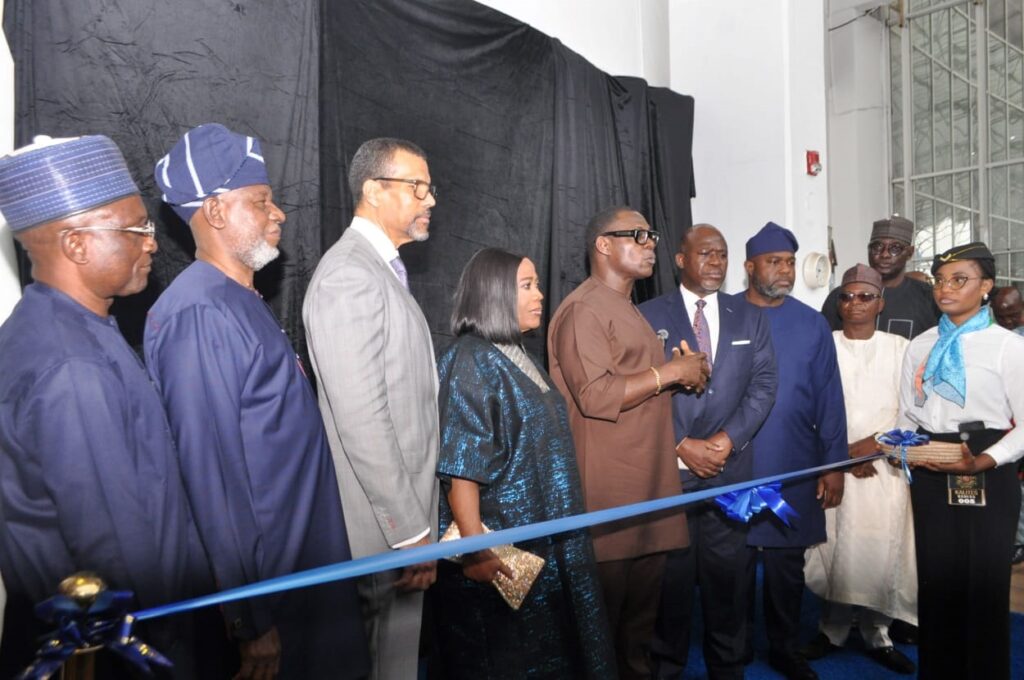
He also commended NAHOF’s partners, particularly BASL/MMA2, for supporting the initiative to preserve and showcase the history of Nigerian aviation.
Local News
Lagos Begins Turnbull-Parkview Upgrade to Ease Congestion
Lagos State Commissioner for Transportation, Oluwaseun Osiyemi, addressing stakeholders during the engagement on the Turnbull–Parkview junction improvement project in Ikoyi.
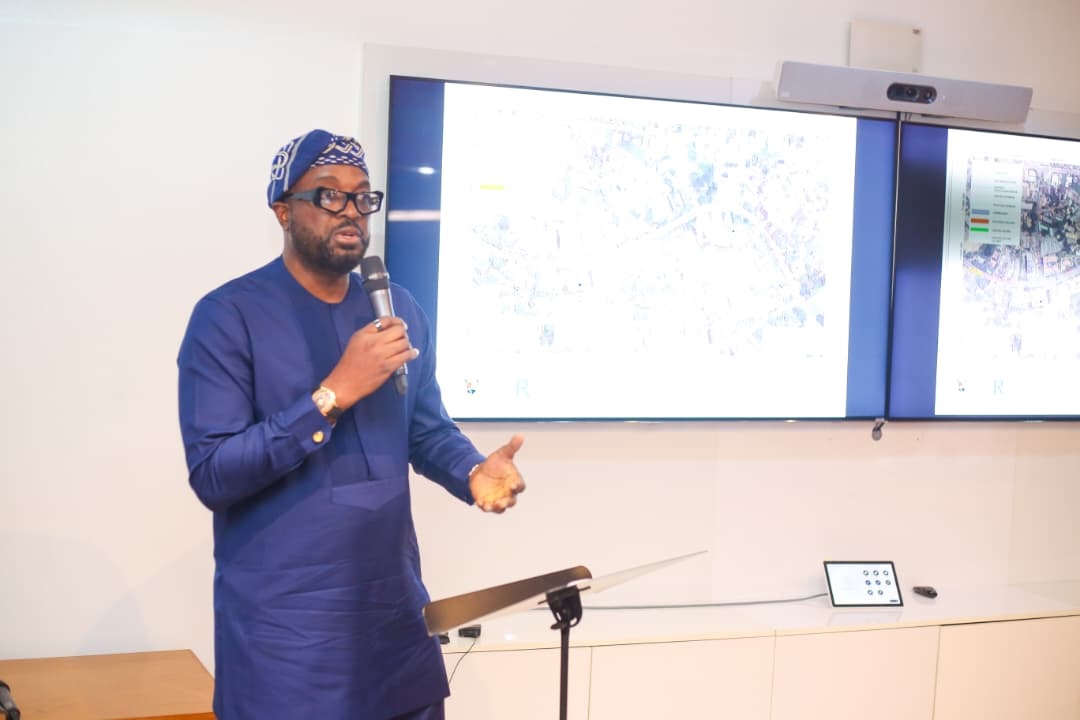
The Lagos State Government will commence improvement works at the Turnbull–Parkview intersections along Gerrard Road, Ikoyi, on September 14, 2026, as part of efforts to ease persistent traffic congestion and improve vehicular movement in the area.
The six-month junction improvement project was announced by the Commissioner for Transportation, Oluwaseun Osiyemi, during a stakeholders’ engagement meeting held at Banana Island Estate, Ikoyi.
Osiyemi said the intervention was necessary to address traffic bottlenecks at the two intersections, which serve as connections to major roads and frequently experience congestion and gridlock, particularly during peak periods.
He called on residents, estate associations, utility providers and other stakeholders to cooperate with the Lagos State Ministry of Transportation to ensure the timely completion of the project.
The commissioner assured residents and motorists that measures had been developed to minimise the impact of the construction on traffic and daily activities within the area.
He said a detailed traffic management plan would be implemented throughout the construction period, while construction activities would be carried out mainly during off-peak periods in the morning and evening to reduce disruption to road users.
Osiyemi also said the ministry would work with relevant stakeholders to ensure that critical infrastructure and utilities, including electricity, water and fibre optic cables, were protected during the construction.
He added that concerns and observations raised during the stakeholders’ meeting would be considered before the contractor moves to site.
The commissioner further disclosed that a compensation plan had been put in place for cases where the project’s right-of-way affects or encroaches on private properties.
Providing details of the project, the Director of Transport Engineering in the ministry, Engr. Bolaji Bada, said the Turnbull and Parkview intersections had become major congestion points because of the volume of traffic using the connecting roads.
Bada said the improvement works would address the existing bottlenecks, enhance the efficiency of the intersections and provide a smoother and freer flow of traffic.
The Chairman of Parkview Estate, Mrs. Ronke Shokefun, raised concerns over the persistent traffic situation in the area and urged the government to maintain regular engagement with residents and other stakeholders throughout the project.
The Chairman of Banana Island Estate, Mr. Shonaiki Abidemi, commended the state government for the planned intervention, saying the project would help improve traffic flow in the area.
Abidemi urged residents to support the initiative and cooperate with the government during the construction period.
Stakeholders at the engagement included the project contractor, Infrapoint Concept Limited, represented by Mr. Folorunsho Owolabi; representatives of Julius Berger; officials of the Lagos State Ministry of Transportation; telecommunications companies; Lagos State Parks and Gardens Agency (LASPARK); Lagos State Water Corporation; and other relevant ministries, departments and agencies.
The project is expected to run for six months from its September 14 commencement date.

Aviation
Keyamo Urges Aviation Industry to Build a Legacy of Excellence
Minister of Aviation and Aerospace Development, Festus Keyamo (SAN)

The Minister of Aviation and Aerospace Development, Festus Keyamo, SAN, has challenged Nigeria’s aviation industry to preserve the contributions of its pioneers while building a safer, more innovative and service-driven sector for future generations.
Keyamo gave the charge at the second edition of the Nigeria Aviation Hall of Fame induction held in Lagos, where he was represented by the Managing Director of the Federal Airports Authority of Nigeria (FAAN), Olubunmi Kuku.
The minister, who was among those inducted into the Nigeria Aviation Hall of Fame, described the initiative as an important platform for preserving the history and contributions of individuals who helped shape the country’s aviation industry.
He said aviation development was not driven by aircraft and airports alone, but by the people whose vision, professionalism, courage, innovation and sacrifices sustained the industry, often under difficult circumstances.
Keyamo said the recognition of aviation professionals should therefore go beyond celebrating individual achievements to preserving the legacy they would leave for future generations.
“Aviation is not built by aircraft and airports alone. It is built by people,” he said.
According to him, the Hall of Fame provides an opportunity for the industry to acknowledge those whose contributions have become part of Nigeria’s aviation heritage and to inspire younger professionals entering the sector.
He said he was humbled by his own induction but viewed the honour as a renewed responsibility to continue serving the country.
“I accept this honour with gratitude, but also with a profound sense of responsibility,” Keyamo said, adding that recognition should not be regarded as the end of service but as a reminder that greater responsibility comes with the privilege of serving the nation.
The minister dedicated the honour to aviation professionals, past and present, whose dedication has continued to keep the industry moving, as well as younger Nigerians bringing new ideas, technology and aspirations into the sector.
Keyamo also highlighted the permanent Hall of Fame Montage at the MMA2 terminal in Lagos, describing it as a significant addition to the preservation of Nigeria’s aviation history.
He said the display of the faces and stories of aviation pioneers at a location visited daily by thousands of Nigerians and international travellers would provide younger generations with a direct reminder of the contributions upon which the industry was built.
The minister urged stakeholders to use the occasion to renew their commitment to developing an aviation industry defined by safety, excellence, innovation, integrity and quality service.
He congratulated the inductees and commended the organisers for ensuring that the contributions of Nigerian aviation pioneers were documented and preserved.
Keyamo expressed hope that the Nigeria Aviation Hall of Fame would continue to expand its role in inspiring aviation professionals and preserving the history of the industry.

More Airlines, Same Airports, Bigger Crisis

Airlines, Labour Clash Over N5% TSC

LAAC Moves to Balance Aviation Revenue, Growth

Air Peace Expands Domestic Flight Schedule

Gateway International Airport Takes Off as Ogun Joins Nigeria’s Air Map

₦100m Land Deal: Air Peace Backs Onyema’s Claim on Anambra Airport
-
 Airlines3 months ago
Air Peace Expands Domestic Flight Schedule
-
 Aviation11 months ago
Gateway International Airport Takes Off as Ogun Joins Nigeria’s Air Map
-
 Airlines11 months ago
₦100m Land Deal: Air Peace Backs Onyema’s Claim on Anambra Airport
-

 Aviation12 months ago
Nigeria, UAE Firm Sign Landmark Cargo Information Deal
-

 Airlines11 months ago
High Airfares, Hot Hotels: Nigeria’s Travel Paradox
-
 Airlines12 months ago
UK Partnership Opens Heathrow, Gatwick Gates for Air Peace – Onyema
-

 AIRPORTS12 months ago
MMA2 Named Nigeria’s Best Cargo Airport, Jibodu Honored
-

 Airlines11 months ago
Aborted Take-off: Air Peace Assures Passengers of Safety on Abuja–Asaba Flight