
Aviation
FAAN: Passenger Safety Drives Airport E-Hailing Rules
FAAN MD- Mrs Olubunmi Kuku


The Managing Director of the Federal Airports Authority of Nigeria (FAAN), Olubunmi Kuku, has said the agency’s tighter oversight of e-hailing and car-hire services at airports was driven by passenger safety concerns and complaints over the conduct of some operators.
Kuku said FAAN introduced greater oversight after receiving several complaints, particularly during the December holiday period, from passengers who reported intimidation, excessive fares, being dropped at unintended locations and other unpleasant experiences involving some e-hailing and car-hire services.
She spoke with journalists at the unveiling of the Aviation Hall of Fame in Ikeja, Lagos.
According to the FAAN Managing Director, the authority’s responsibility is to ensure that passengers are safe, protected and provided with a seamless experience within the airport environment.
She said some of the complaints were serious enough to compel the authority to strengthen its oversight of commercial transport services operating around the airports.
Kuku also disclosed that FAAN had encountered situations where some drivers associated with e-hailing platforms allegedly left their vehicles and entered the airport under the guise of e-hailing operators before joining car-hire services and charging passengers higher fares.
“Based on this, it was important, because everybody was complaining about the touting at the airport, that we provided even some sort of regulatory oversight on the car hires,” she said.
She explained that the digital application introduced by FAAN was designed to give passengers greater visibility over car-hire companies operating within the airport environment and the identity of the drivers conveying them to their destinations.
Kuku stressed that FAAN does not operate the car-hire services or collect fares on behalf of the drivers.
“FAAN does not collect money on behalf of the drivers. Those car-hire drivers are not FAAN drivers. All we do is to give you a sample of the rates based on the destination that you’re going to,” she said.
She added that passengers remain free to choose their preferred means of transportation, including pre-booked vehicles, e-hailing platforms or airport car-hire services.
According to her, FAAN’s role is to ensure that passengers have sufficient information about the operators and drivers serving them within the airport, rather than dictate the transport option they must use.
Kuku further explained that airport car-hire services generally charge higher fares because their business model involves transporting passengers from the airport and returning to the airport, unlike conventional e-hailing operations.
She said another major issue in FAAN’s discussions with e-hailing companies centred on liability for drivers operating through their platforms.
“One of the things that we were struggling with the e-hailing companies was largely around liability clauses,” she said.
Kuku disclosed that the e-hailing companies had requested dedicated pick-up zones at airports, a proposal FAAN was prepared to accommodate, but the authority also wanted the companies to accept responsibility for the drivers using their platforms.
She said the companies maintained that the drivers were independent contractors rather than their employees and were therefore reluctant to assume direct responsibility for incidents involving them.
According to Kuku, the platforms instead directed passengers to use safety features provided on their applications, a position that created a major point of disagreement with FAAN over passenger protection.
On Uber’s decision to leave Nigeria, Kuku said FAAN could not speak for the company or determine the reasons for its decision, noting that the ride-hailing company had its own economic and regulatory considerations.
She also said Uber had been considering its exit from Nigeria for some time, stressing that FAAN’s airport operations represented only a small part of the company’s wider business in the country.
“I’m sure that they had their own reasoning, and I know that they had been considering exiting Nigeria for a while,” she said.

Kuku therefore rejected suggestions that FAAN’s airport transport measures were responsible for Uber’s exit, maintaining that the authority’s intervention was focused on safety, accountability and improving the passenger experience within Nigerian airports.
Aviation
Nigeria, Russia Move to Replace 59-Year-Old Air Pact
Nigeria’s Minister of Aviation and Aerospace Development, Festus Keyamo, with members of the Nigerian delegation at the bilateral aviation meeting with Russian officials in Moscow

Nigeria and Russia have agreed to renegotiate their 59-year-old Bilateral Air Services Agreement (BASA), with both countries setting April 2027 as the deadline for concluding negotiations and signing a new agreement.
The decision followed a high-level bilateral meeting led by the Minister of Aviation and Aerospace Development, Festus Keyamo, SAN, and Russia’s State Secretary and Deputy Minister of Transport, Dmitry Stanislavovich Zverev, on the sidelines of the Third Russia-Africa Summit in Moscow.
The proposed renegotiation is aimed at replacing the existing agreement, which dates back to 1967, with a modern framework that reflects current developments and emerging opportunities in international aviation.
The development was disclosed in a statement signed by Tunde Moshood, Special Adviser on Media and Communications to the Minister of Aviation and Aerospace Development.
Both countries agreed that negotiations would be concluded within six months, with the new agreement scheduled for signing in Saint Petersburg, Russia, in April 2027.
To ensure that the deadline is met, Nigeria and Russia have constituted their respective negotiating teams to begin work immediately on the proposed agreement.
The revised BASA is expected to strengthen air transport relations between both countries, improve connectivity, promote institutional collaboration and create opportunities for mutually beneficial engagement between their aviation industries.
Beyond the renegotiation of the air services agreement, the meeting also considered other areas of potential cooperation between Nigeria and Russia, with both sides expressing readiness to explore opportunities that could deepen bilateral relations in aviation and related sectors.
The Nigerian delegation included the Director-General of the Nigerian Civil Aviation Authority (NCAA), Capt. Chris Najomo; the Registrar of the Nigerian College of Aviation Technology (NCAT), Dr. Danjuma Adamu Ismaila; and directors from the Federal Ministry of Aviation and Aerospace Development and the NCAA.
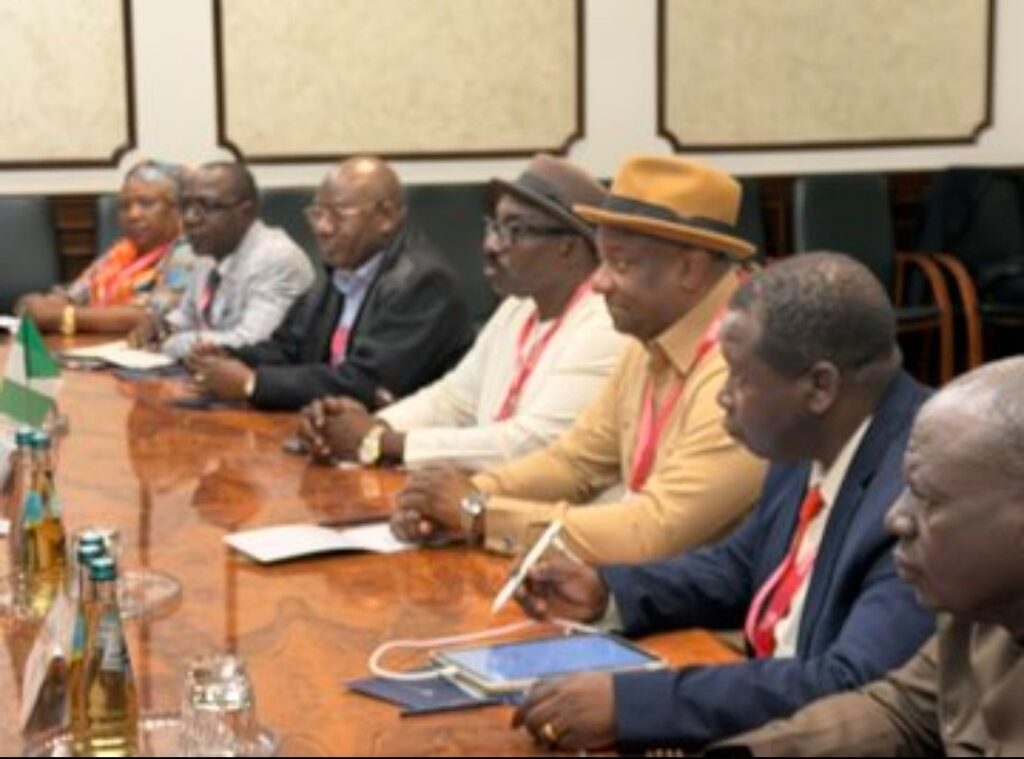
The meeting forms part of Nigeria’s efforts to strengthen international aviation partnerships and update existing bilateral frameworks to reflect changing industry realities.
Airspace
ATSSSAN Backs NAMA Push for Higher TSC, Aviation Clearance Revenue
Outgoing Chairman Comrade Wole Dada (left) handing over to Comrade Ekip Ekip Eso, during the inauguration of the branch’s new executive in Lagos
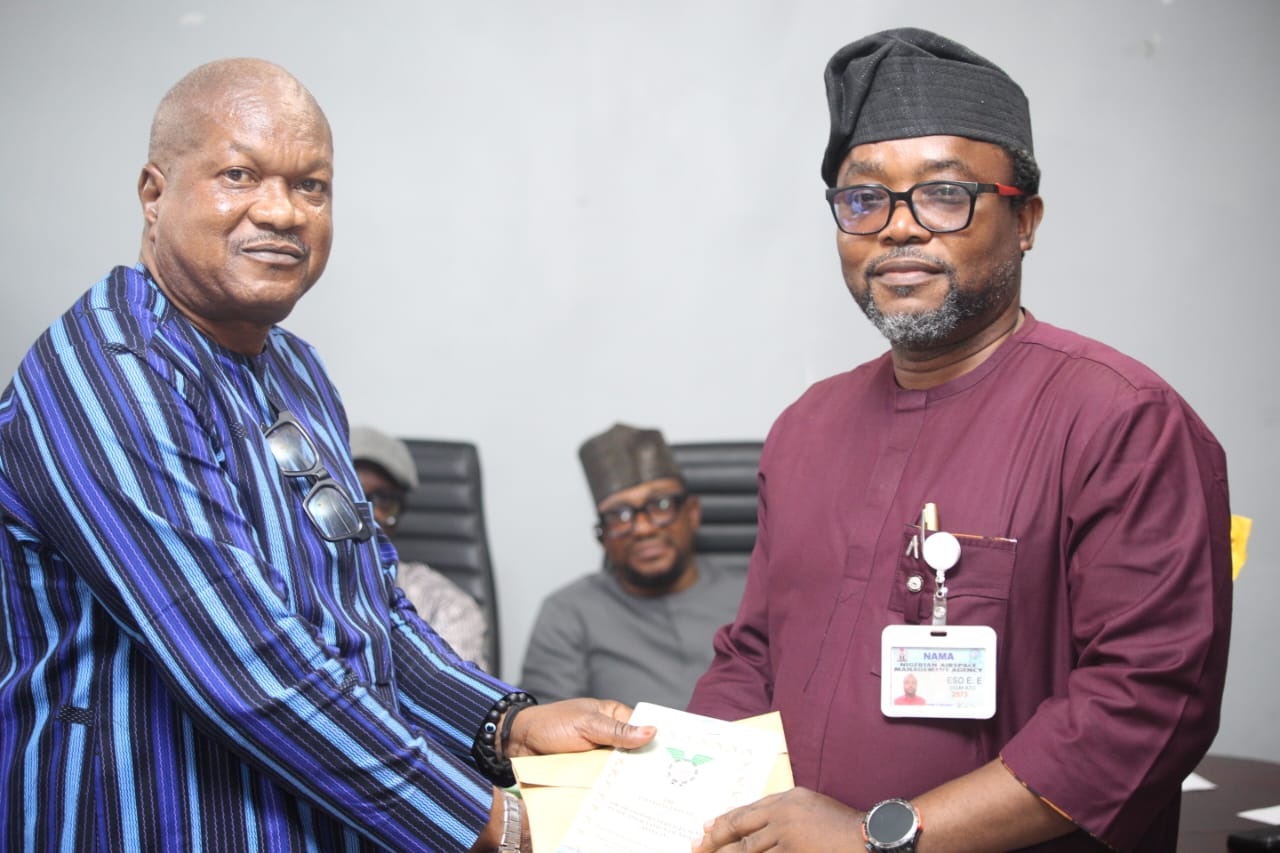
The Air Transport Services Senior Staff Association of Nigeria (ATSSSAN), NAMA Branch, has pledged to support efforts by the Nigerian Airspace Management Agency (NAMA) to secure improved revenue allocation from the Ticket Sales Charge (TSC) and Aviation Height Clearance to strengthen its operational capacity.
The newly inaugurated executive of the union also pledged to promote industrial harmony, protect workers’ welfare and sustain constructive engagement with management to improve the agency’s performance.
The commitments were made by the new branch chairman, Comrade Ekip Ekip Eso, during the inauguration of the executive at NAMA headquarters annex in Lagos.
In a statement signed by NAMA’s Director of Public Affairs and Consumer Protection, Dr Abdullahi Musa, Eso said the new leadership would pursue responsible unionism, accountability and policies that promote members’ welfare and the development of Nigeria’s aviation industry.
He said adequate and sustainable funding was essential for NAMA to maintain critical air navigation infrastructure, strengthen operational capacity and discharge its statutory responsibility of managing Nigeria’s airspace.
According to him, the union would pursue constructive advocacy and engage relevant government authorities and industry stakeholders, alongside sister unions, to support the agency’s position on improved revenue allocation.
Eso said the new executive recognised the responsibility entrusted to it and would discharge its mandate with dedication, fairness and accountability.
He also commended members and stakeholders who supported the branch during its delegate conference in Jos, particularly the ATSSSAN National President, Comrade John Ogbe, for promoting dialogue and reconciliation that helped restore peace and mutual understanding within the union.
The chairman urged members to sustain the renewed unity in the association, noting that collective progress required mutual respect, cooperation and commitment to common objectives.
On workers’ welfare, he pledged that the executive would prioritise timely payment of entitlements, equitable career advancement, professional training, safe working conditions and sustained engagement with management.
He also called on NAMA management to intensify efforts towards securing the urgent approval and implementation of the agency’s new Conditions of Service, describing the document as important to addressing workers’ welfare and employment-related concerns.

The new executive said it would maintain a cooperative relationship with management while ensuring that the legitimate interests of members remained adequately protected.
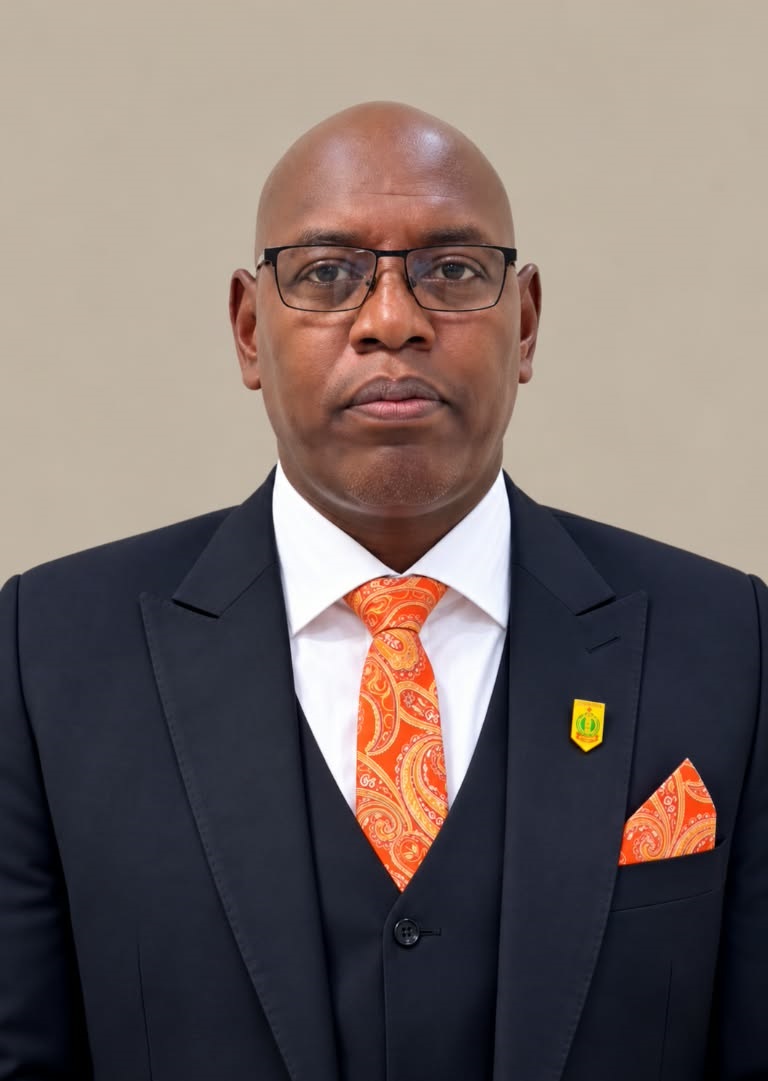
Nigeria’s representation in international aviation leadership has received a boost with the re-election of Ahmad Abba, Director of Aerodrome and Airspace Standards at the Nigeria Civil Aviation Authority (NCAA), as Executive Vice President for Africa and the Middle East of the International Federation of Air Traffic Controllers’ Associations (IFATCA).
Abba secured another three-year term covering 2027 to 2029 at the federation’s 37th Africa and Middle East Regional Meeting held in Amman, Jordan, from October 26 to 30, 2026.
The re-election marks his second consecutive mandate in the regional leadership position, having first been elected in 2024. It also underscores the continued confidence of IFATCA member associations in his leadership and contributions to the advancement of air traffic control across Africa and the Middle East.
In the renewed position, Abba will coordinate with air traffic controllers’ associations, aviation authorities, international organisations and industry stakeholders to strengthen regional collaboration and promote improvements in air navigation safety and efficiency.
His mandate will also focus on supporting the development of aviation manpower, strengthening the professional capacity of air traffic controllers and advancing their welfare and career development.
Reacting to his re-election, Abba thanked the member associations for their renewed confidence, pledging to sustain efforts towards strengthening the federation and supporting air traffic controllers across the region.
He said he remained committed to working with member associations and regional partners to build a safer, more resilient and sustainable aviation system.
Abba is a licensed air traffic controller with over 25 years of aviation experience. He is an International Civil Aviation Organization (ICAO)-certified instructor and has served in several operational, safety, search and rescue, and regulatory capacities.
At the NCAA, he heads the Directorate of Aerodrome and Airspace Standards, where he is responsible for regulatory oversight of the areas and contributes to the development of Nigeria’s civil aviation sector.
His re-election places him in a position to continue representing the interests of African and Middle Eastern air traffic controllers in international aviation engagements while further strengthening Nigeria’s participation in global aviation leadership.

Versat Deepens EXEED’s Push into Nigerian Auto Market

Onyema Hails Fidelity Bank for Repaying $400m Eurobond

CIBN Confers Honorary Fellowship on FAAN MD, Onabanjo-Kuku

Air Peace Expands Domestic Flight Schedule

Lufthansa Group to Bring Eurowings to Nigeria in 2027

Gateway International Airport Takes Off as Ogun Joins Nigeria’s Air Map
-
 Airlines5 months ago
Air Peace Expands Domestic Flight Schedule
-
 Airlines2 months ago
Lufthansa Group to Bring Eurowings to Nigeria in 2027
-
 Aviation1 year ago
Gateway International Airport Takes Off as Ogun Joins Nigeria’s Air Map
-

 Airlines1 year ago
₦100m Land Deal: Air Peace Backs Onyema’s Claim on Anambra Airport
-

 Aviation1 year ago
Nigeria, UAE Firm Sign Landmark Cargo Information Deal
-

 Airlines1 year ago
High Airfares, Hot Hotels: Nigeria’s Travel Paradox
-

 AIRPORTS1 year ago
MMA2 Named Nigeria’s Best Cargo Airport, Jibodu Honored
-
 Airlines1 year ago
UK Partnership Opens Heathrow, Gatwick Gates for Air Peace – Onyema